Virtual AI Personal Trainer | Apple
This project focused on defining a novel, high-value commercial use case for Apple’s embedded LiDAR scanner, leveraging its unique capabilities to solve a major user experience gap in the home fitness market.
Overview
This project was developed during my internship at Apple, as part of a challenge to explore new commercial applications for the LiDAR sensor integrated into Apple devices.
Our mission was to identify a domain where LiDAR’s real-time depth accuracy could deliver tangible, human-centered value.
After extensive research across industries, we chose fitness - and within it, Pilates - a practice that depends on precise posture and alignment, perfectly suited to LiDAR’s spatial capabilities.
The goal: design a virtual personal trainer that combines AI, Siri, and LiDAR to replicate the guidance and feedback of a real trainer - at home.
- Role
- UX Research & Product Design Intern at Apple - Concept, Research, UX
- Platforms
- New Apple devices featuring the LiDAR Scanner.
- Team
- Apple LiDAR | Israel Apple design team | San Francisco
- Timeline
- 2021
LiDAR
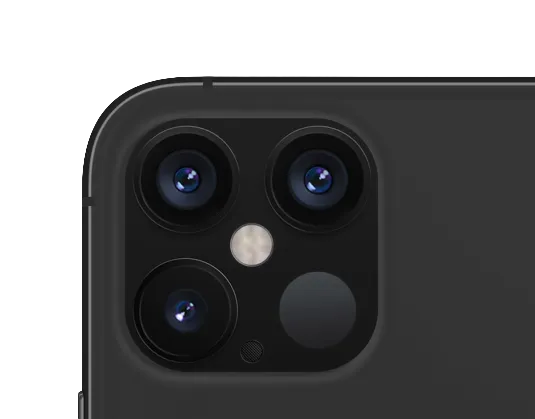
LiDAR (Light Detection and Ranging) is used to determine distance by measuring how long it takes light to reach an object and reflect back. The custom-designed LiDAR Scanner uses direct time of flight to measure reflected light from up to five meters away. It works at the photon level, operates at nanosecond speeds, and open up tremenous possibilities.
Research Process
We conducted mixed-method research that combined qualitative and quantitative approaches:
- User interviews with Pilates trainers (10+ years of experience) and trainees across the U.S.
- Competitor mapping across four domains: traditional fitness apps, posture-scanning AI apps, smart home gyms, and AR-based movement platforms
- Surveys to identify pain points in at-home training
- Personas and empathy maps to synthesize emotional and behavioral insights
- Desk research on fitness, wellness, and motion-tracking technologies
How can the LiDAR contribute to the ideal training experience?
Ori Shraiber
Which fitness domain will most benefit from this accuracy?
Ori Shraiber
How can we utilize LIDAR accuracy to provide real-time instructions and feedback?
Ori Shraiber
Interviews
After researching different fitness domains, we decided to focus on pilates which requires a high level of precision that can be achieved by utilizing LiDAR’s accuracy capabilities. In addition, Mat Pilates is one of the most common practices in the USA today.
We conducted in-depth interviews with both trainers and trainees. We focused on experts trainers with 10+ years of experience in the pilates domain and on American trainees who have experience in pilates and online/digital training. Following the interviews, we conducted thematic coding in order to identify needs and pains.
“I guess it’s just the fact that there’s no one to correct you and you have no one who could adjust you. Thank God I’ve had like a little bit of things that I knew that I wasn’t positioned and I put too much pressure or whatever...because there’s no one watching me”
Trainee 1, 23 YO
Quote related to Posture accuracy, feedback & modifications
“...I get my motivation from the group, competitive feeling that helps me to get better results”
Trainee 3, 30 YO
Quote related to Motivation
Survey
We asked people to specify the pros and cons of each training method - personal vs. group.
| #1 Pro | #1 Con | |
|---|---|---|
| Personal training | Trainer’s attention, accuracy & technique | Cost |
| Group training | Motivation | Trainer’s attention |
84% of responders would prefer a personal trainer over a group training if both cost the same.
35% of responders mentioned pain management as a key motivator for practicing Pilates.
Personas
Jessica
- Woman, 28 years old
- American, born & raised
- Industrial engineer
- MBA student
- Practicing Pilates over the 3 months
- Trains two times a week
- Uses a training app at home

Jonathan
- Man, 50 years old
- American, born & raised
- Lawyer
- Married + 3
- Suffers from lower back pains as a result of an old injury
- Practices Pilates over the past 6 years for pain management
- Trains 3+ times a week at a Pilates studio
- Practices in a group for motivation

Empathy Map
Say
- Where should I train?
- How long is this workout?
- I’d like to stay motivated while workout at home on my own time
- Which app should I use?
- I don’t have much equipment
Think
- I wish I had more motivation
- How should I to perform this exercise
- I missed her last comment
- My back hurts and I can’t do this exercise
- Am I doing this right?
Do
- Work out 3+ times a week in a studio
- Download an app
- Inaccurate performance of exercises
Feel
- Lack of motivation
- Frustrated
- Self doubt
- Inconvenience
- anxiety
- Pain
- Alone
Competitor Analysis
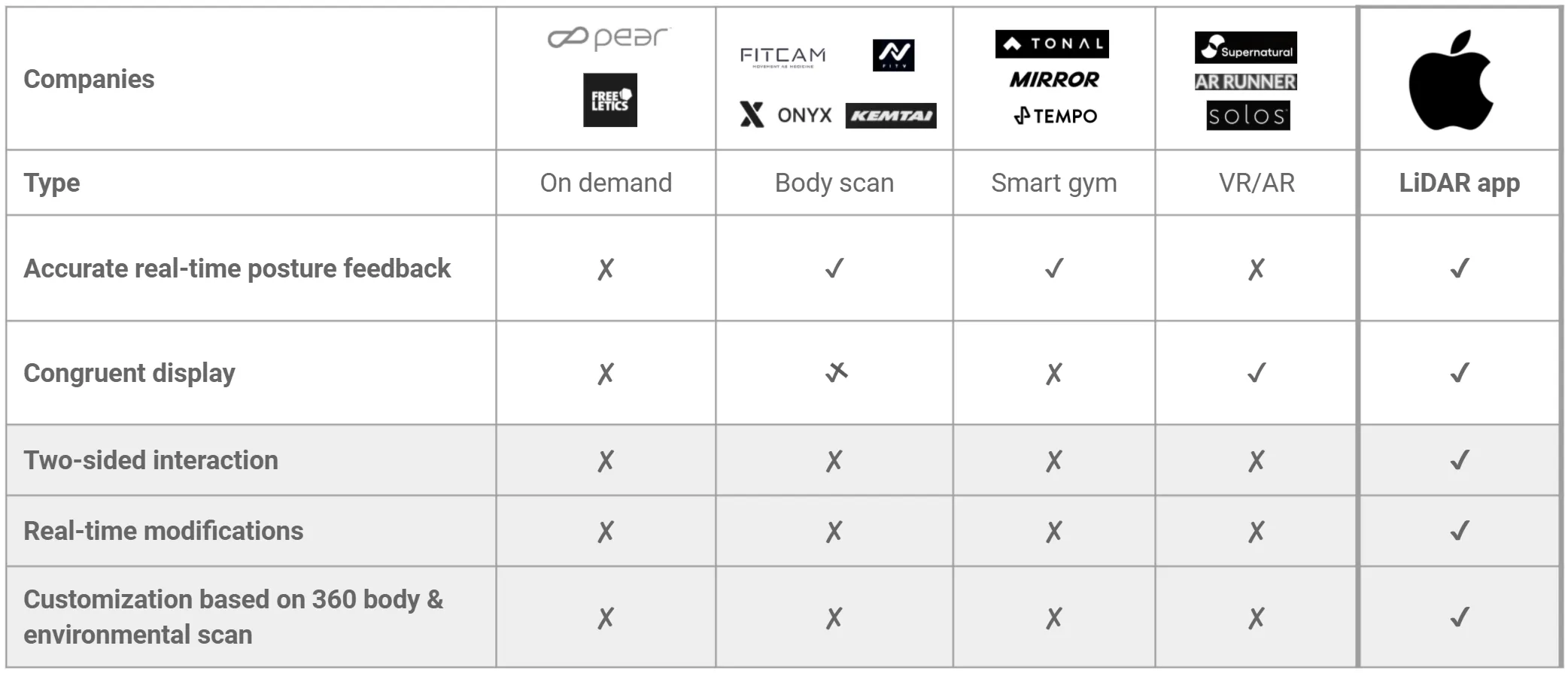
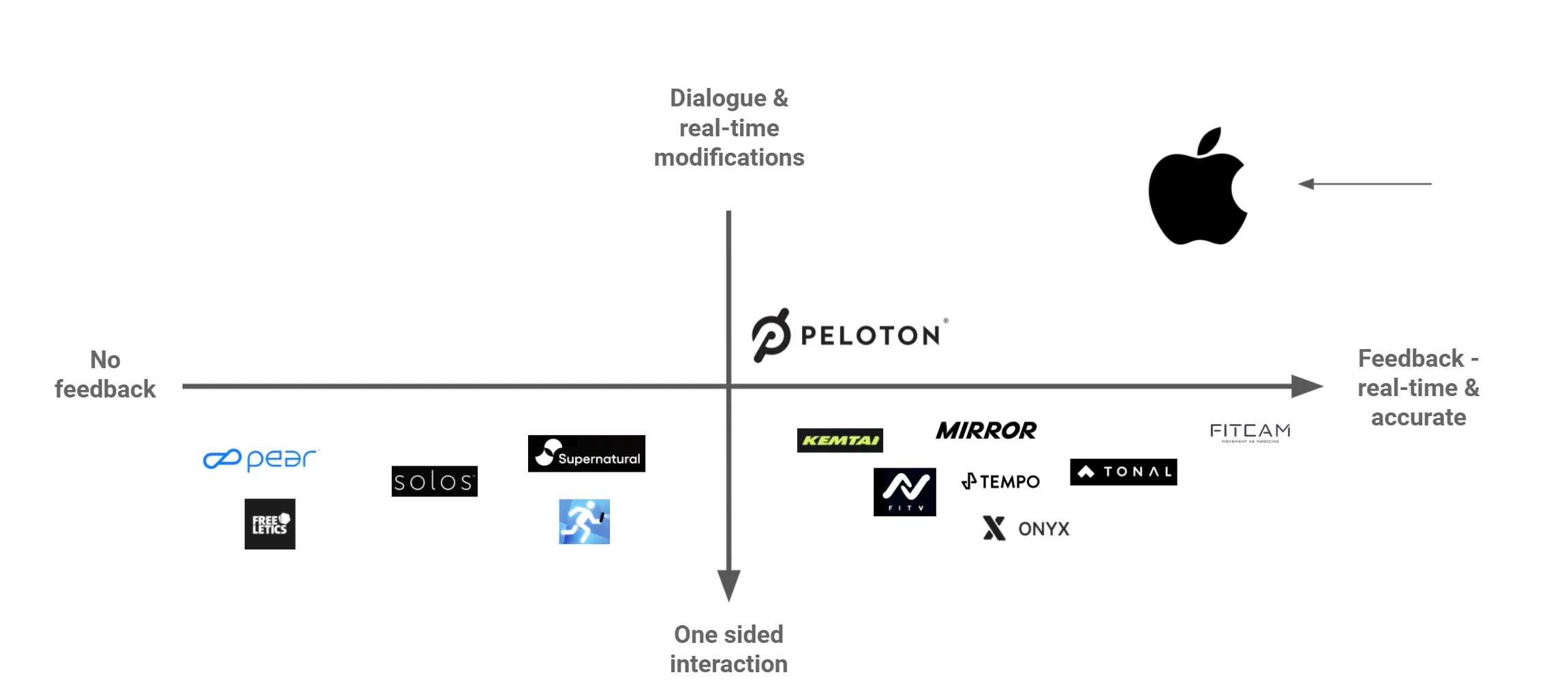
We conducted a comprehensive research to map the competitive landscape. We covered not only fitness apps, but also advanced reality apps that involve physical movement to determine our approach towards gamification.
Eventually we divided the competitors into four buckets:
- Fitness mobile app that include a variety of workouts.
- Fitness app with posture scan using the phone/laptop camera - AI, image processing.
- Smart home gym devices.
- Advanced reality apps.
Concept
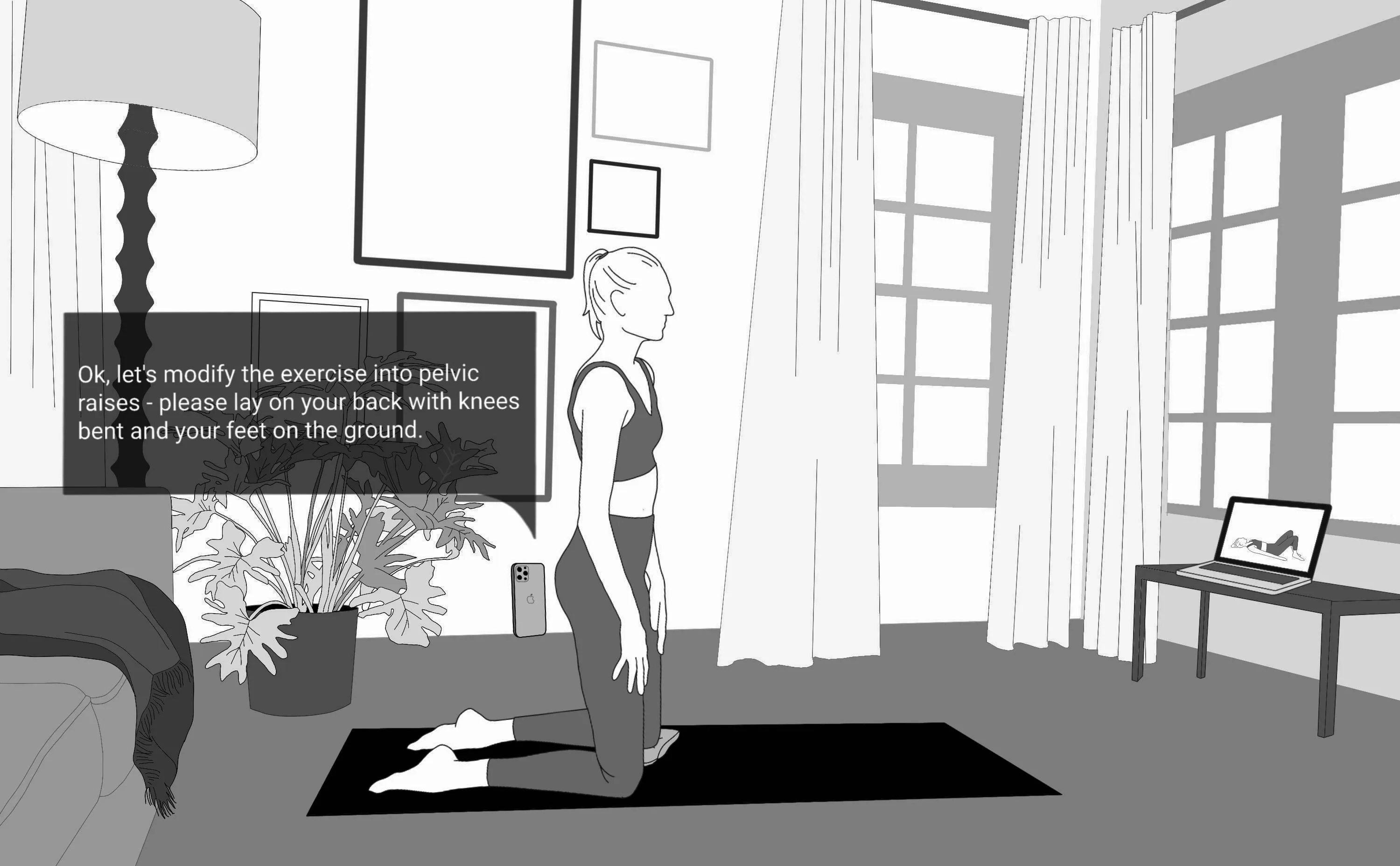
A LiDAR based app that creates a personal training interaction experience at home. AI, SIRI, and LiDAR leveraged into a virtual personal trainer at home.
AI and Siri operate as the Brain and the trainer’s Voice, while the LiDAR sensor scans the trainee from all angles as if it was the trainer’s eyes.
The system communicates with the trainee as if it was a real trainer standing right next to them.
The system allows the user to connect all of their Apple devices to get the best training experience.
01/05 Top insights
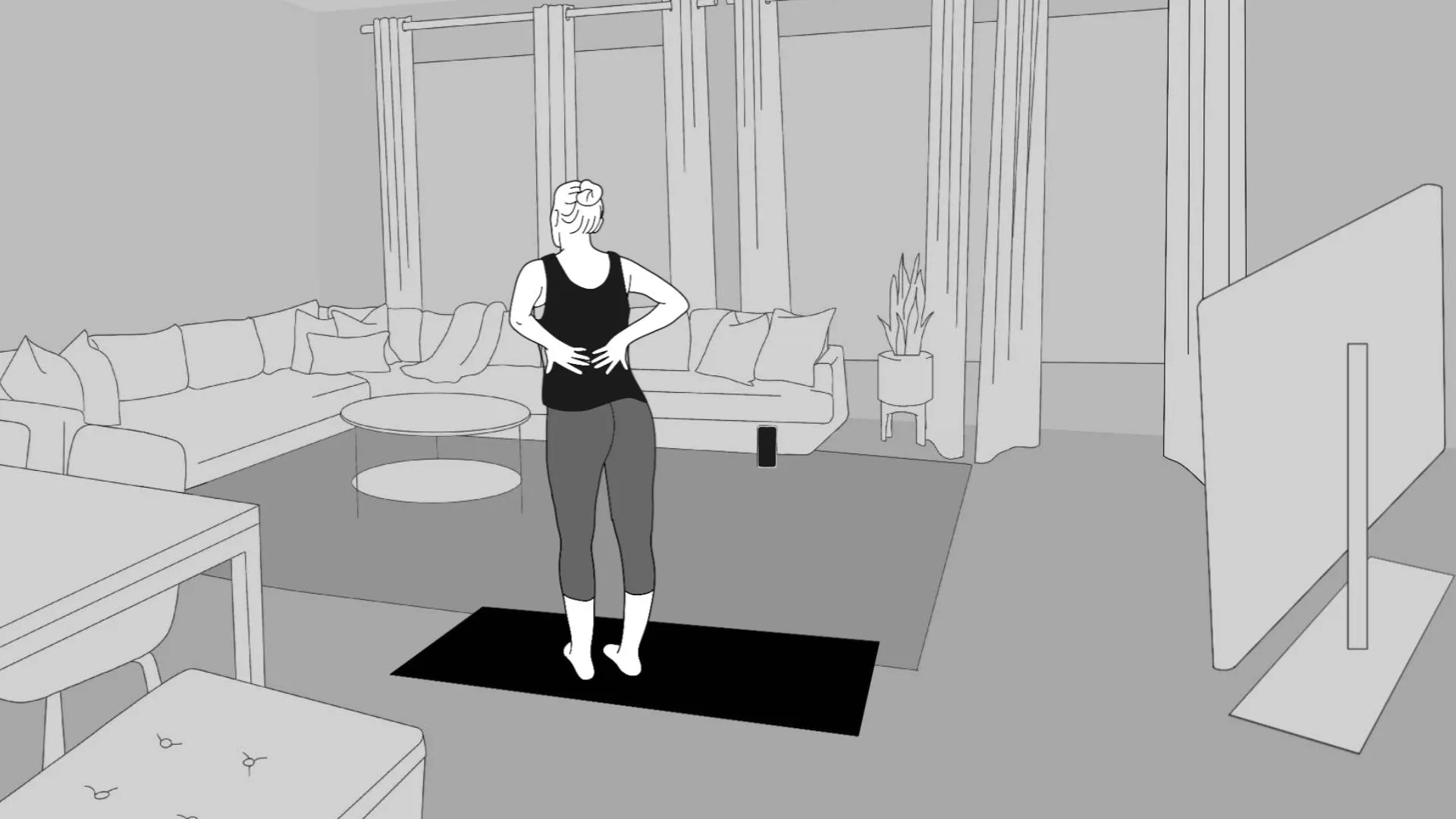
A two-sided dialogue
One of the most strong themes from our research was the trainee’s dialogue with his trainer.
This interaction does not exist while working out at home. So we have decided to focus on designing an interaction that allows the trainee to communicate with the system using voice and also through simple body gestures (body language).
02/05 Top insights
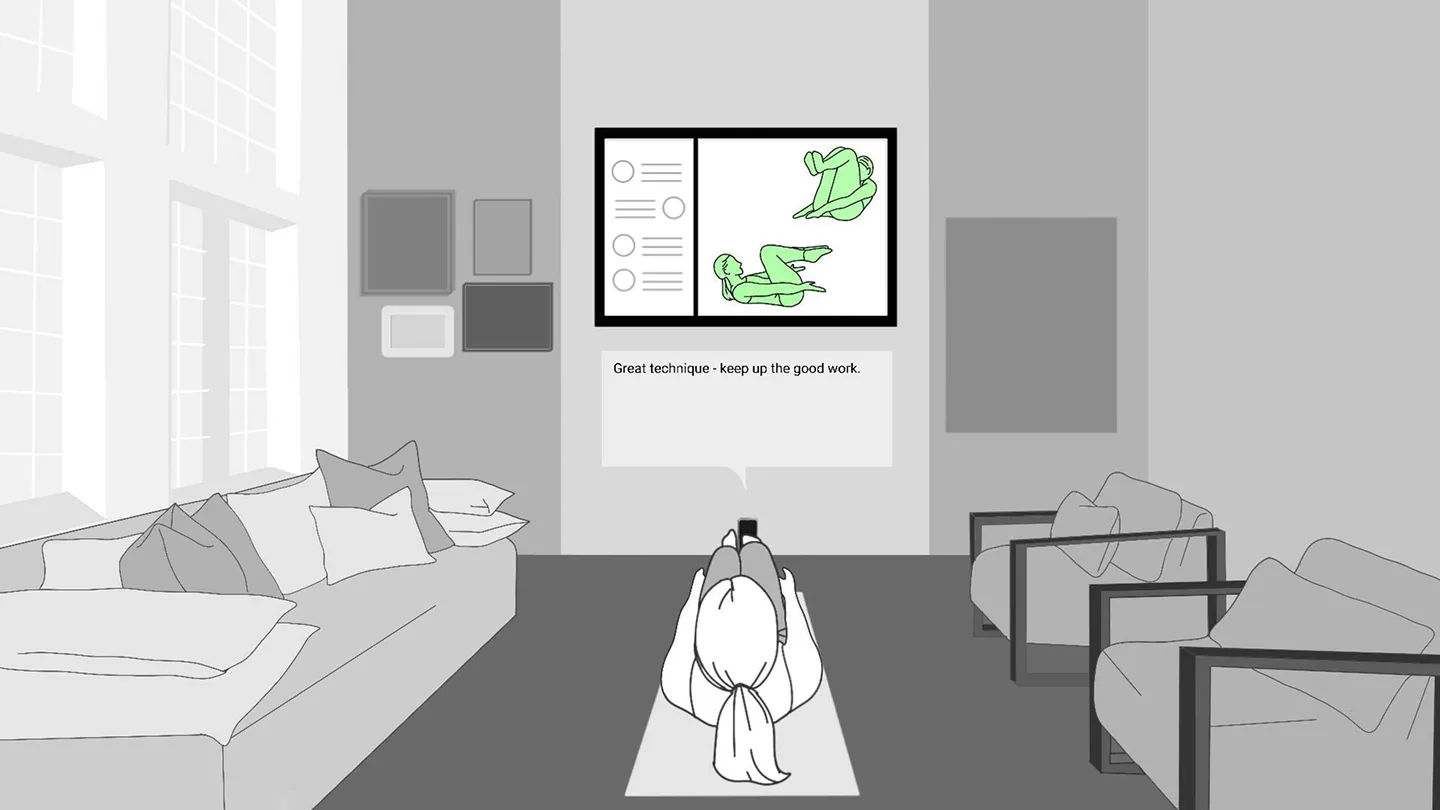
Real-time congruent & 360 feedback
It came up in our interviews that in pilates it is most essential when the trainer walks around the trainee to see his posture from all angles. Therefore, we designed the system to: Maximizes accuracy by providing real-time feedback and correct form display according to the trainee’s 3D scan. Provide the most accurate feedback as if a trainer was physically in the room. Provides the user a 360 full body view.
03/05 Top insights
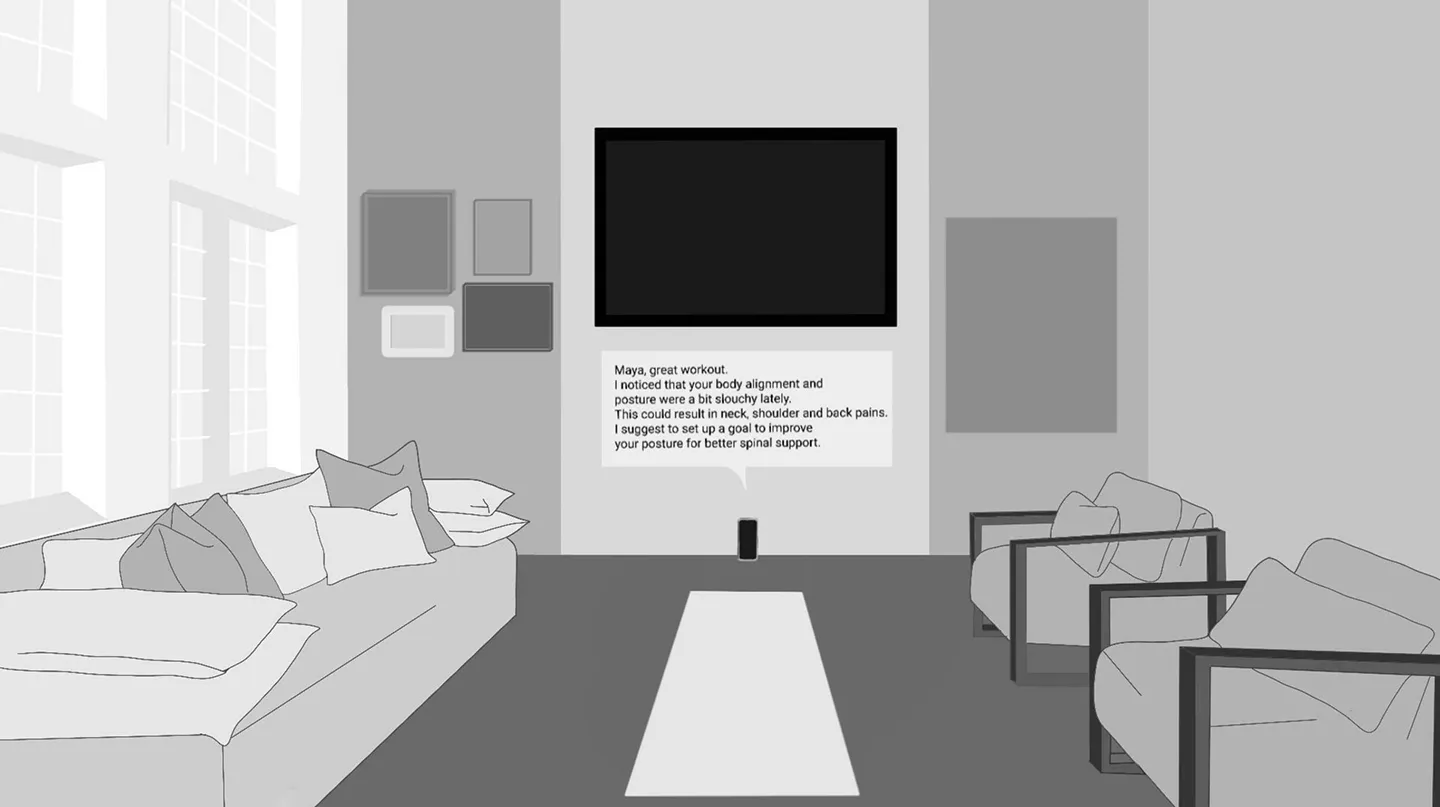
Follow up recommendations
The third insight that we have generated is about the importance for the trainee to get advice from his trainer and set new goals. Therefore, we designed the system to provide new goals recommendation to trainees based on their posture and performance.
04/05 Top insights
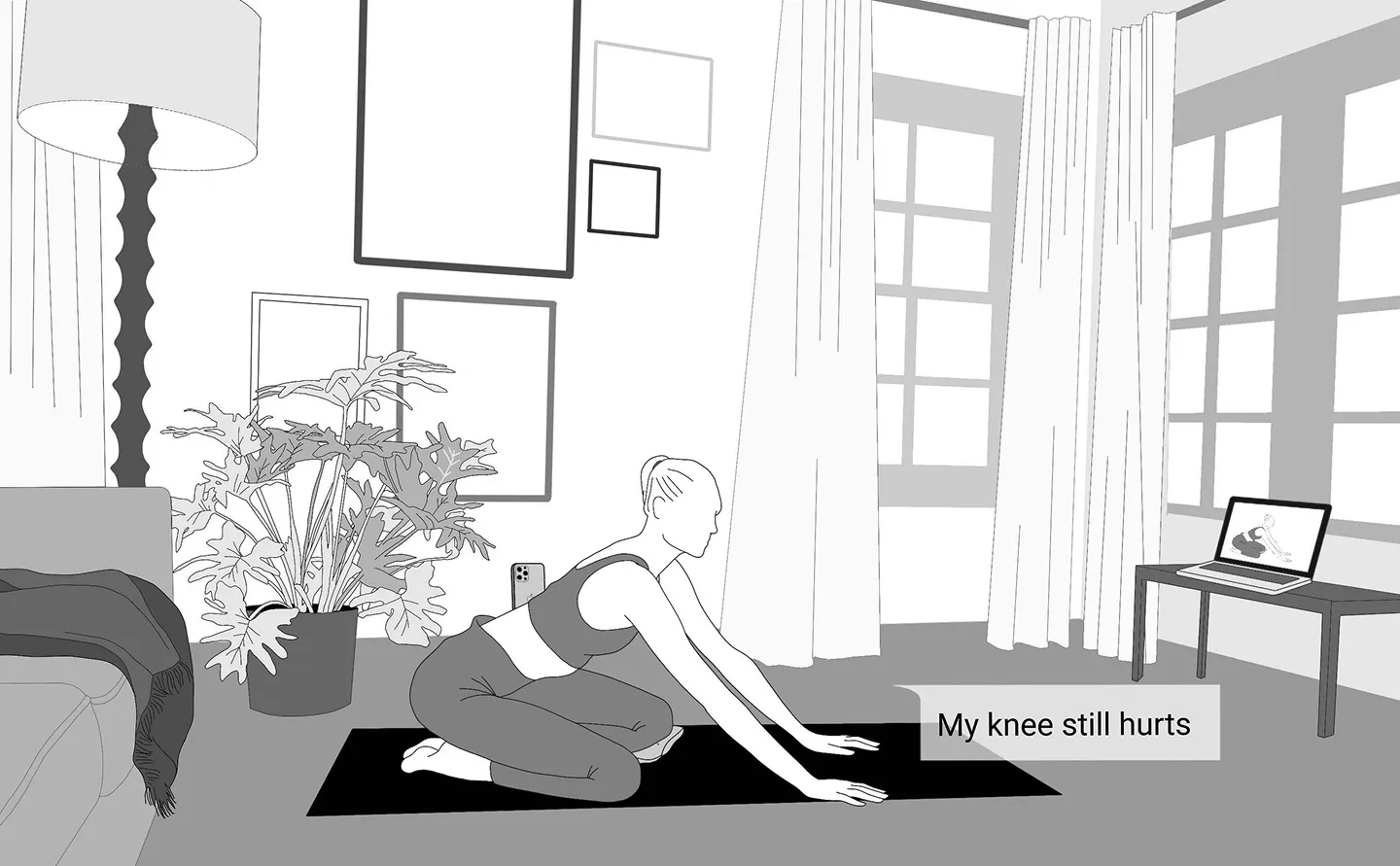
Real-time modifications
Many trainees have noted that the personal feedback that is adjusted to their abilities/disabilities during workouts is a critical issue for the training experience.
Therefore our system will provide modifications according to the trainees physical condition and request.
05/05 Top insights
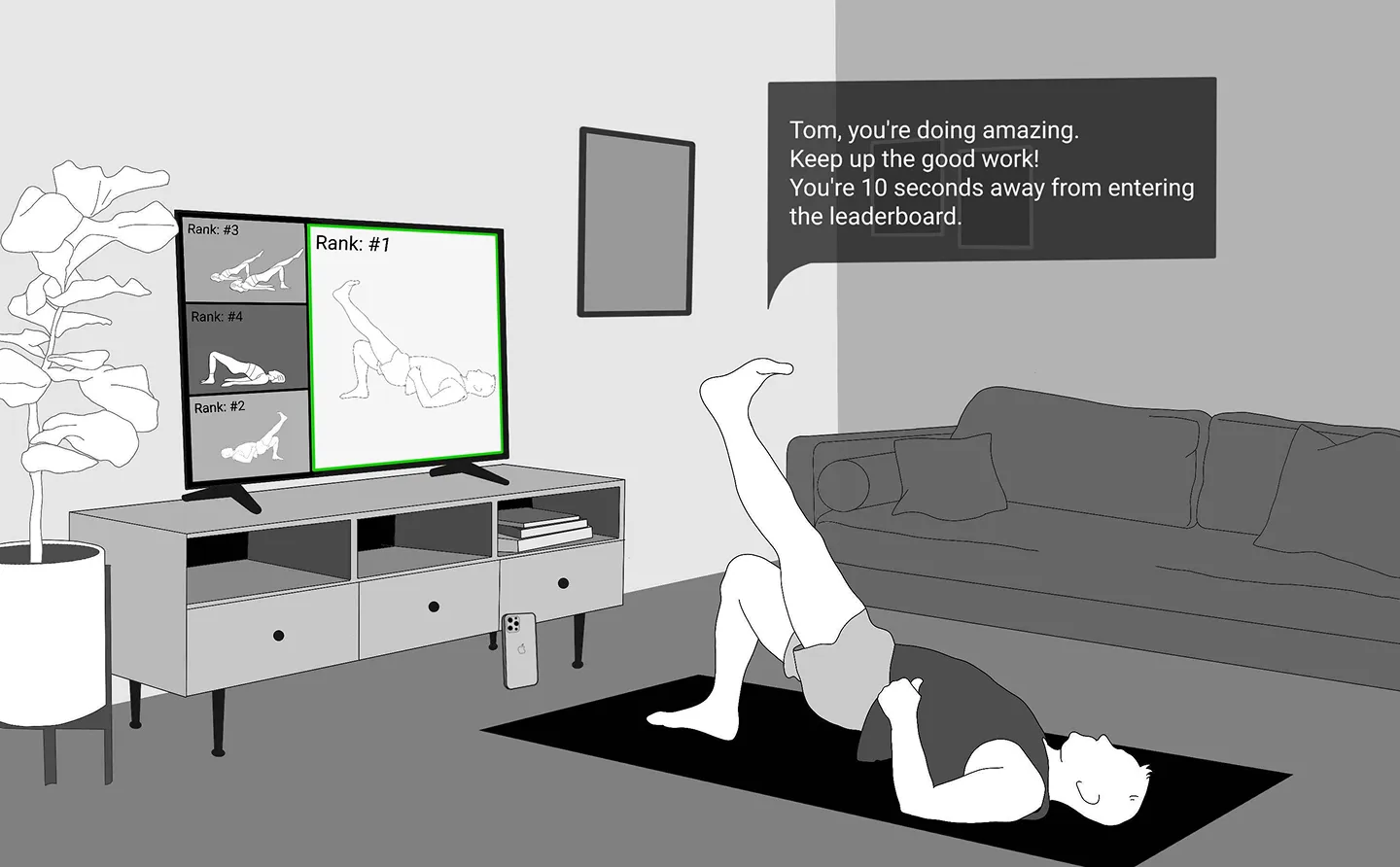
Motivation encouragement
From our research we identified that group training contributes to trainees’ motivation and makes them achieve better results. Therefore, our system enables joint training that includes competitive elements to enjoy a shared training experience.
Outcome & Impact
The project exceeded expectations and was selected for continued internal development at Apple. It demonstrated how LiDAR could evolve beyond AR visualization and become a core enabler of human-centric digital fitness - combining precision technology with intuitive, empathetic UX design.
In retrospect, it’s rewarding to see that Apple is now releasing new AI-powered fitness capabilities that closely echo the concepts explored in this project.
While there’s no official confirmation, the resemblance suggests that our early research and design work may have contributed to shaping the company’s current direction in LiDAR-based personal training experiences.
Personal Takeaways:
Working with Apple was an inspiring experience in precision, iteration, and simplicity.
The process, from deep research to concept prototyping - embodied Apple’s design DNA: making complex technology intuitive and personal.
Collaborating with Shira Goren and Dr. Ayelet Segal reinforced the power of multidisciplinary design thinking and the value of asking why before how.